The Devil in Details: The Real 1982 Penny Value
The 1982 penny value still draws attention because this year changed everything for U.S. one-cent coins. It represents one of the most important transitions in the U.S. Mint production — the year America switched from copper to zinc. That change created several different versions of the same coin, and some are worth only one cent while others are worth thousands.
The 1982 penny value depends on details that many people overlook — metal composition, weight, and the shape of the date. Those tiny nuances are what separate ordinary change from rare collectibles.
The Devil in Details: The Real 1982 Penny Value
In 1982, the U.S. Mint decided to cut production costs by replacing copper with zinc, so the new alloy had only a thin copper coating (cheaper to produce). However, both metals were used during the transition. As a result, some coins came out copper, others zinc — and both were dated 1982.
Both versions were minted for months, leading to a confusion of copper and zinc coins from the same year. To make things more complex, two different date styles — Large Date and Small Date — were used at the same time. That’s how 1982 ended up with eight official varieties.
The main differences between copper and zinc pennies:
Copper: heavier (3.11 g), deeper red tone, rings when dropped.
Zinc: lighter (2.5 g), duller color, makes a flat sound.
Copper: resists corrosion longer.
Zinc: can bubble or turn gray with age.
This overlap created confusion that continues today. Some collectors underestimate these coins, while others search for the rare transitional pieces. The truth is simple: most 1982 pennies are common, but one variety can reach over $15,000 if genuine.
The Varieties of 1982 Pennies
The table below shows all eight types of 1982 Lincoln cents.
Variety | Mint Mark | Metal | Date Style | Weight | Rarity |
1982 Large Date | — | Copper | Large | 3.11 g | Common |
1982 Small Date | — | Copper | Small | 3.11 g | Uncommon |
1982-D Large Date | D | Copper | Large | 3.11 g | Common |
1982-D Small Date | D | Copper | Small | 3.11 g | Extremely rare |
1982 Large Date | — | Zinc | Large | 2.5 g | Common |
1982 Small Date | — | Zinc | Small | 2.5 g | Common |
1982-D Large Date | D | Zinc | Large | 2.5 g | Common |
1982-D Small Date | D | Zinc | Small | 2.5 g | Common |
The rarest of all is the 1982-D Small Date Copper, a transitional piece accidentally struck on an old copper planchet. Only a few have been confirmed, each authenticated by professional grading services.
Collectors identify Small Date versions by thinner numerals and a higher “2” in the date. Large Date coins have bolder numbers with a rounded look.
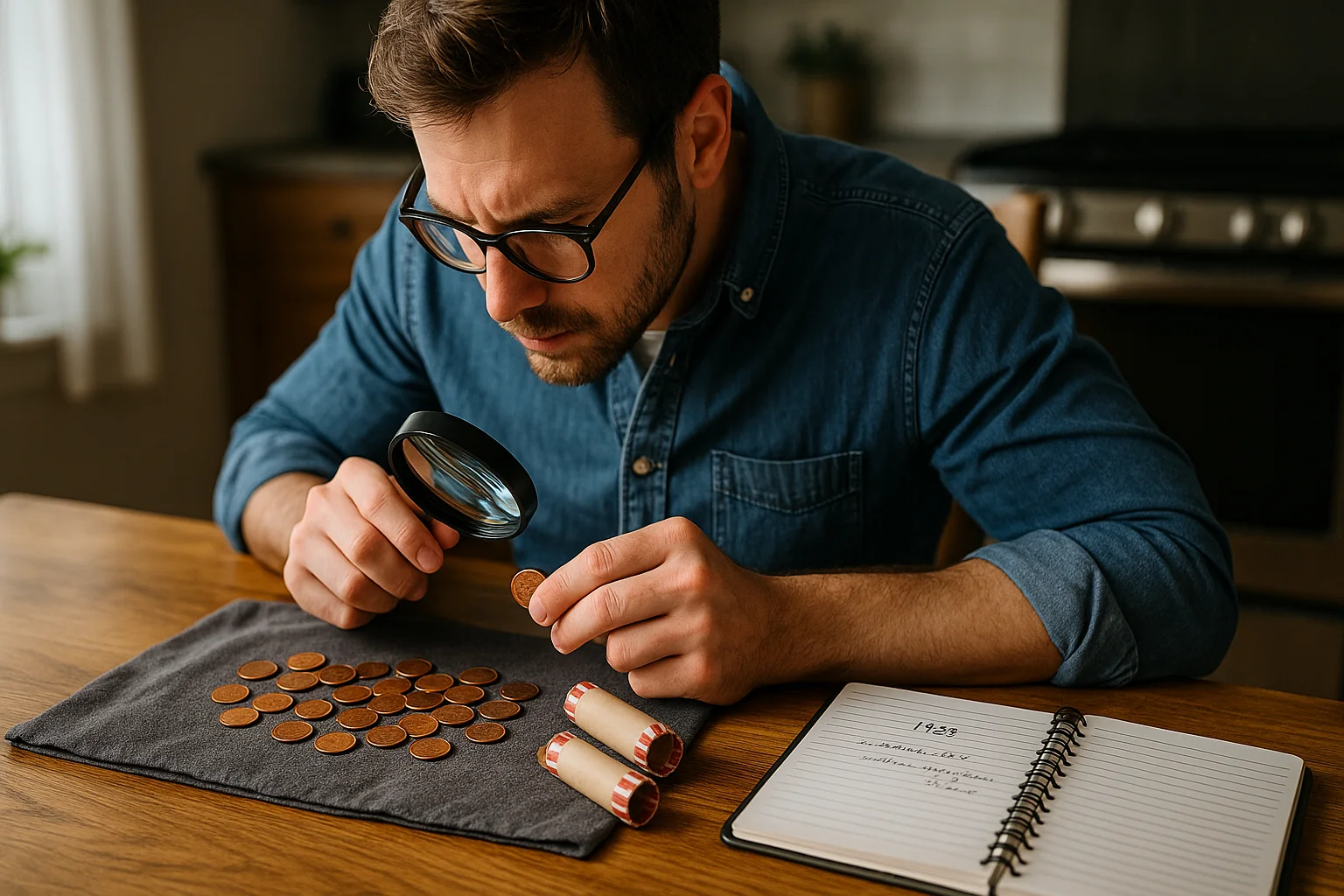
Tip: Use a magnifying glass or a digital loupe. Small details in the “2” and “8” will quickly reveal which type you have.
Weight and Metal: The Key to True Value
The difference between a copper and zinc penny is just 0.61 grams, but that small number changes everything. Weight is the most reliable way to know what you have.
Copper (pre-1982 type):
Weight: 3.11 g
Sound: clear, ringing tone
Appearance: reddish with natural shine
Zinc (1982 and later):
Weight: 2.5 g
Sound: dull tone
Appearance: paler color, often grayish
Even a simple pocket scale or digital kitchen scale is enough. If it shows around 3.1 grams, that’s copper.
Tip: Don’t rely on color. Dirt, age, and lighting can make zinc coins look copper. Always weigh them.
Market Value: What Each 1982 Penny Is Worth Today
The value of a 1982 penny depends on three main things: metal composition, condition, and rarity. Copper coins are usually more desirable because they’re heavier and more durable, while zinc ones often corrode and lose eye appeal.
Condition also matters: clean, uncirculated examples with strong shine and no contact marks sell higher. Finally, the real value appears in rare combinations — especially the 1982-D Small Date Copper, which exists in only a few (two) verified examples.
Below is a clear summary of how much each variety can be worth when graded around MS65 (Mint State) condition.
Variety | Metal Type | Date Style | Mint Mark | Rarity | Grade (MS65) | Approx. Value |
1982 Large Date Copper | Copper | Large | None | Common | MS65 | $2–$5 |
1982 Small Date Copper | Copper | Small | None | Uncommon | MS65 | $3–$10 |
1982-D Large Date Copper | Copper | Large | D | Common | MS65 | $3–$6 |
1982-D Small Date Copper | Copper | Small | D | Extremely Rare | MS65 | $10,000–$18,000 |
1982 Large Date Zinc | Zinc | Large | None | Common | MS65 | $1–$3 |
1982 Small Date Zinc | Zinc | Small | None | Common | MS65 | $1–$3 |
1982-D Large Date Zinc | Zinc | Large | D | Common | MS65 | $1–$2 |
1982-D Small Date Zinc | Zinc | Small | D | Common | MS65 | $1–$3 |
Copper coins with bright red color are the most attractive for grading. Toned or dark examples may still be collectible but usually sell for less.
Advice: Never polish or clean coins. Even soft cloth cleaning removes the natural surface, lowering grade and resale value.
Common Mint Errors Found on 1982 Pennies
Mint errors make 1982 coins even more interesting. Some mistakes are minor; others turn an ordinary penny into a collectible worth hundreds.
Die Crack – Small lines caused by cracks in the die. These can appear across Lincoln’s shoulder or the reverse lettering.
Double Die (DDO) – Visible doubling in letters or numbers, usually in “LIBERTY” or “IN GOD WE TRUST.”
Off-center Strike – Part of the design is missing because the blank wasn’t centered. Minor offsets are worth little, but severe ones can bring $200+.
Clipped Planchet – Part of the rim appears cut out. Value depends on the shape and visibility.
Die Clash – Parts of the reverse design show faintly on the obverse due to misaligned dies.
Errors like these must be verified by professional grading services before they gain real market value.
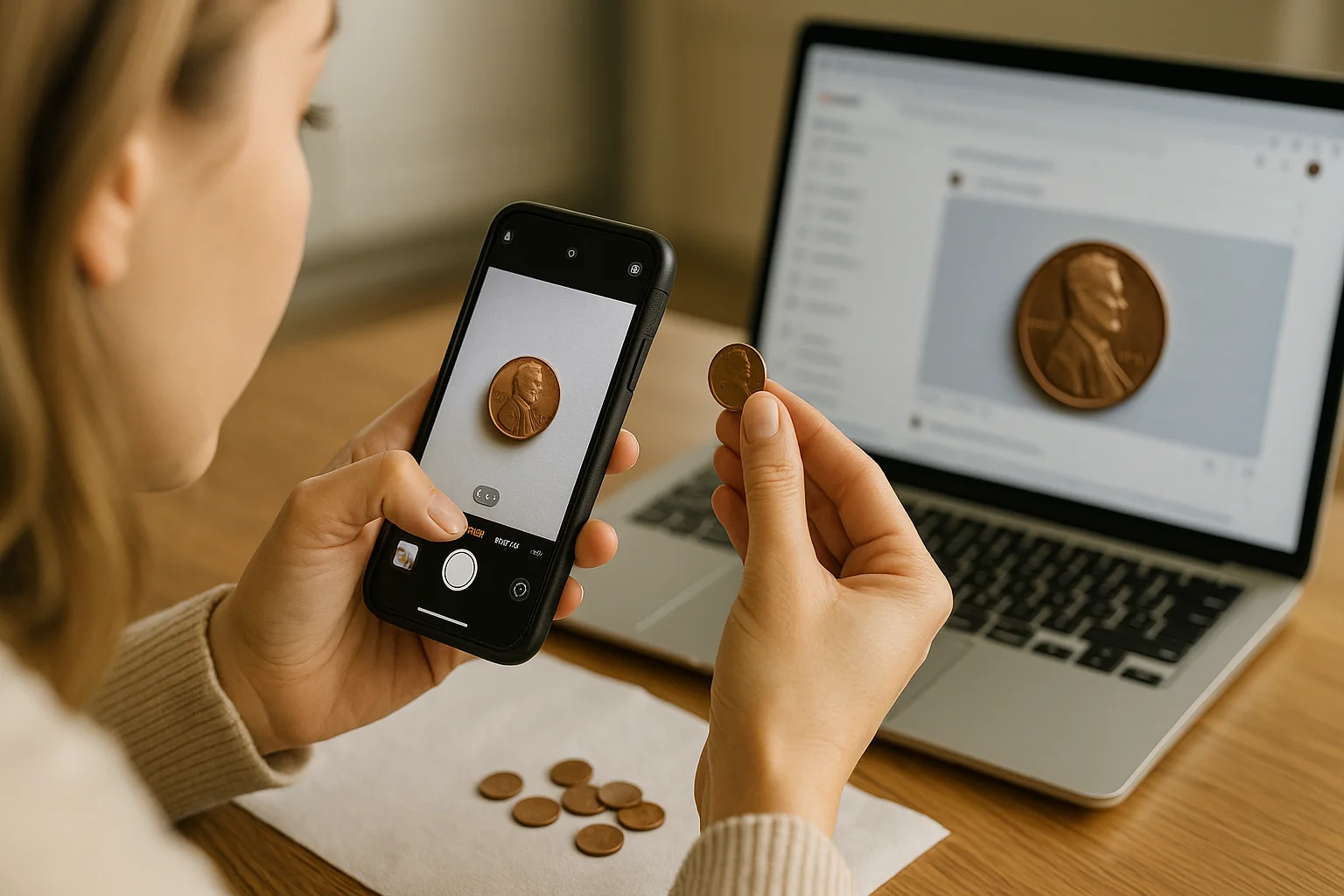
Tip: If you suspect a real minting error, take a clear photo and compare it to verified examples on PCGS CoinFacts or NGC VarietyPlus to be sure you are not confusing it with signs of wear.
Spotting Fakes and Misidentified Pennies
You know that the 1982-D Small Date Copper is rare, so many common coins are misrepresented as valuable. The market is full of zinc pieces that look copper due to oxidation or lighting.
Fake coins are often lighter, dull, or uneven in tone. Some are even plated with copper to mimic the original appearance. Magnets won’t help since neither copper nor zinc is magnetic.
To avoid confusion:
Always weigh your coin first.
Look for crisp edges and clear mint marks.
Avoid listings that only show one blurry photo.
Check the seller’s track record before buying online.
Tip: True copper coins have a warm reddish glow that can’t be imitated by modern plating.
FAQ
Can valuable 1982 pennies still be found in circulation?
Yes, but rarely. Most people discover them in old change jars, rolls from banks, or inherited coin boxes.
How can I tell if my 1982 penny is copper or zinc?
Weigh it. Copper weighs 3.11 g, zinc 2.5 g. That’s the simplest and most accurate test.
Are 1982 pennies magnetic?
No. Neither copper nor zinc pennies are magnetic.
How should I store 1982 pennies?
Use acid-free holders, airtight capsules, or coin flips without PVC. Plastic with PVC can cause green spots and surface damage.
Is grading worth it for 1982 pennies?
Only for rare types like 1982-D Small Date Copper or confirmed mint errors. Ordinary ones are too common to certify it.
How can I keep my coins organized?
Digital apps, for example Coin ID Scanner, makes it easy, as it identifies coins by photo, indicates their metal, weight, and year, and lets you create a digital catalog. It saves time when sorting large collections.
What should I do if I think I found the rare 1982-D Small Date Copper?
Confirm the weight. If it’s 3.11 g, handle it carefully by the edges and contact a grading service for authentication.
The 1982 penny is a perfect example of how small nuances can influence major value shifts. And if you know weight, metal, and strike quality you will be able to separate the ordinary from the exceptional. Even if you never find a rare copper penny, study these variations to train your eye for grading and detail. And remember: collecting 1982 pennies isn’t about luck — it’s about observation.